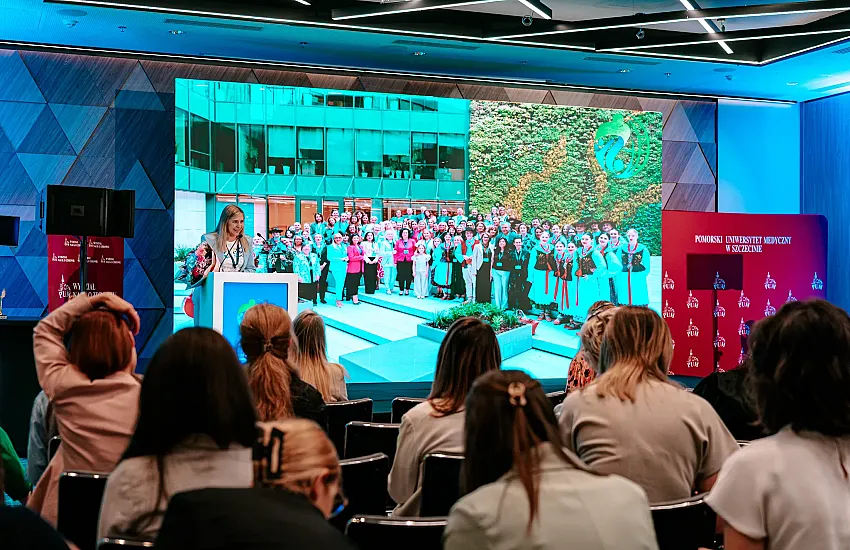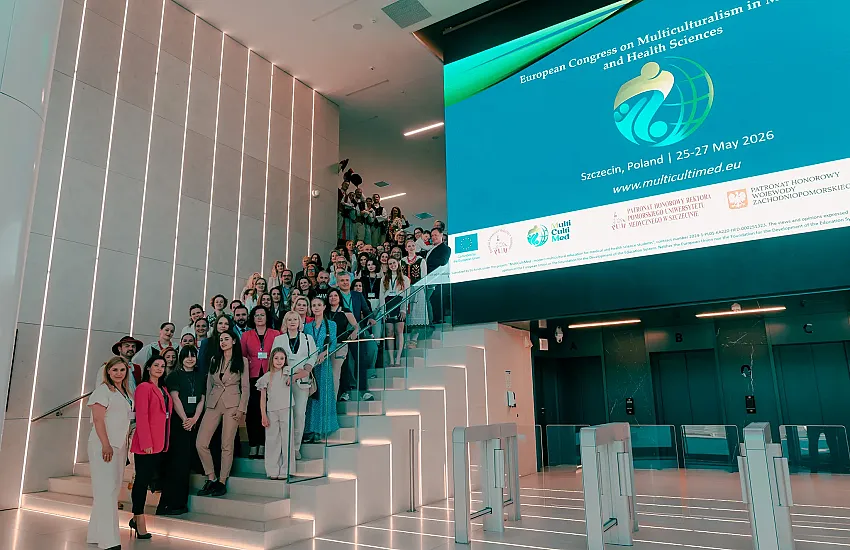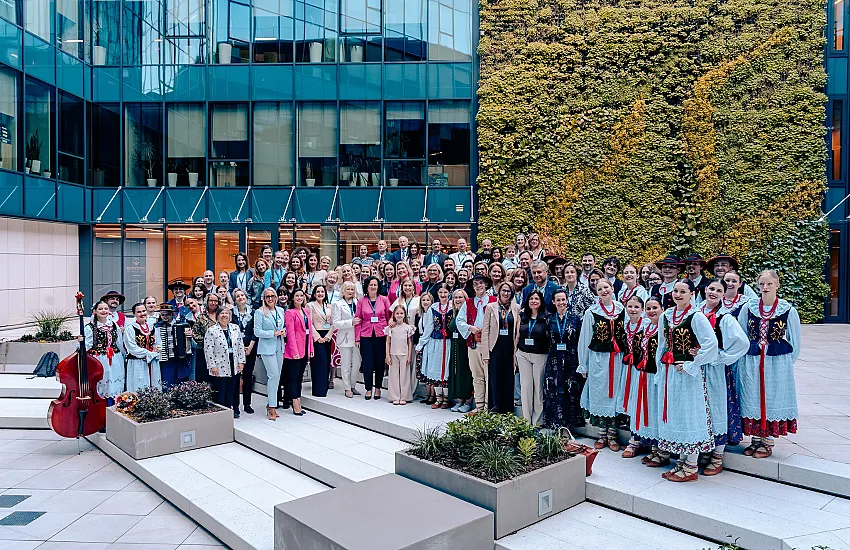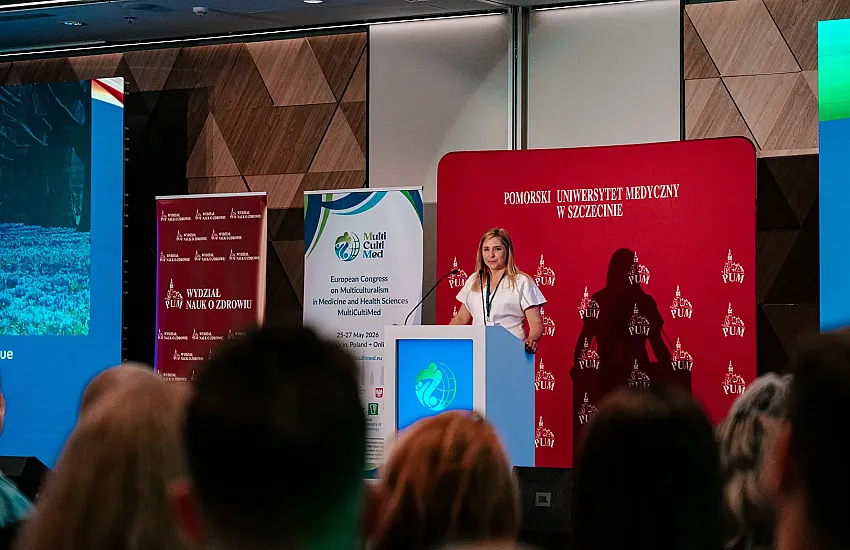
From 25 to 27 May 2026, the European Congress on Multiculturalism in Medicine and Health Sciences – MultiCultiMed took place in Szczecin, Poland. It was a three-day event organized as part of the Erasmus+ KA220 project “MultiCultiMed – Modern Multicultural Education for Medical and Health Science Students.”
For us, the Congress was much more than an opportunity to summarize the project activities carried out so far. It became a space for meeting, dialogue, and the exchange of experiences among researchers, educators, healthcare professionals, students, and everyone interested in multiculturalism in medicine and health sciences.
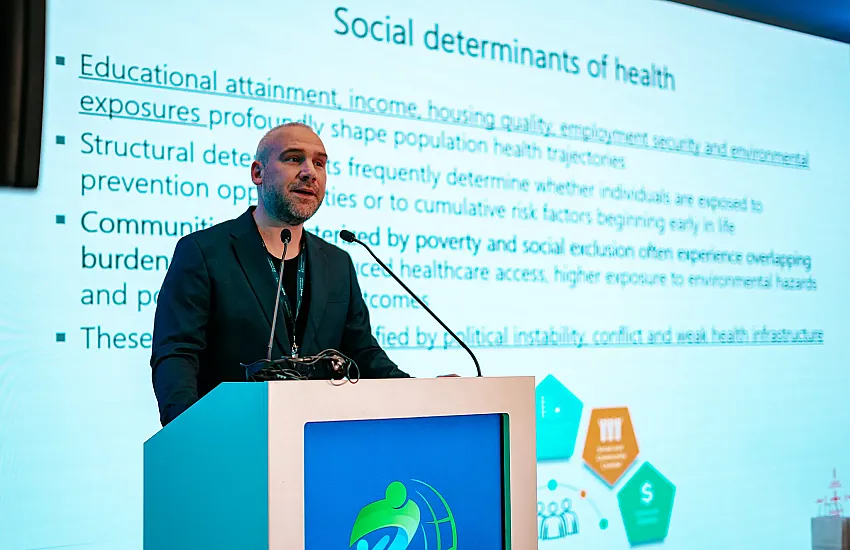
The event brought together over 400 participants from nearly 20 countries. Over the course of three days, we discussed how changing and increasingly diverse societies influence medical education, communication with patients, the organization of healthcare, and everyday professional practice.
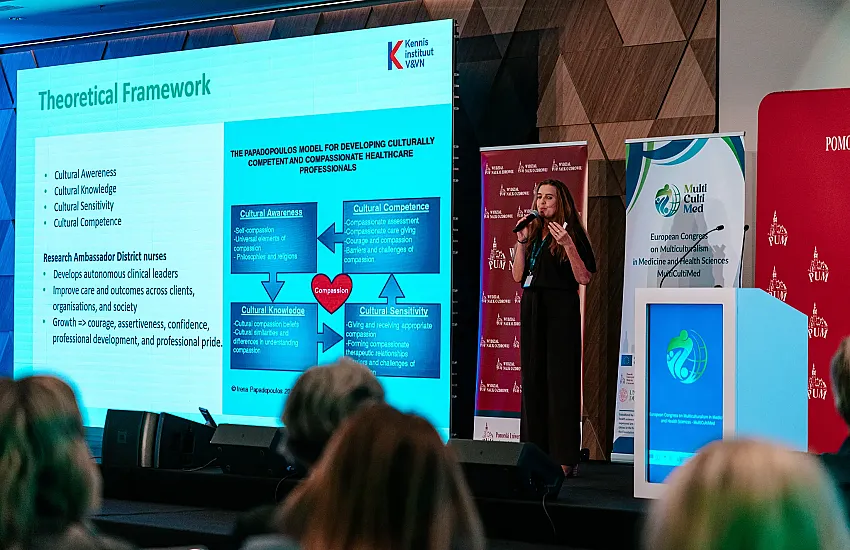
The Congress programme included plenary lectures, expert presentations, scientific presentations, the Young Scientists Session, workshops, and networking events. The topics addressed included, among others, cultural competence in healthcare, communication with patients in multicultural settings, health inequalities, migration, refugees, mental health, medical education, medical simulation, population ageing, patients’ rights, and the challenges of providing care to people from diverse cultural backgrounds.
A particularly important part of the event was the Young Scientists Session, during which 27 papers prepared by students, doctoral candidates, and early-career researchers from various academic centers were presented. The session was held both onsite and online, which enabled participants from many locations — including very distant ones — to take part.
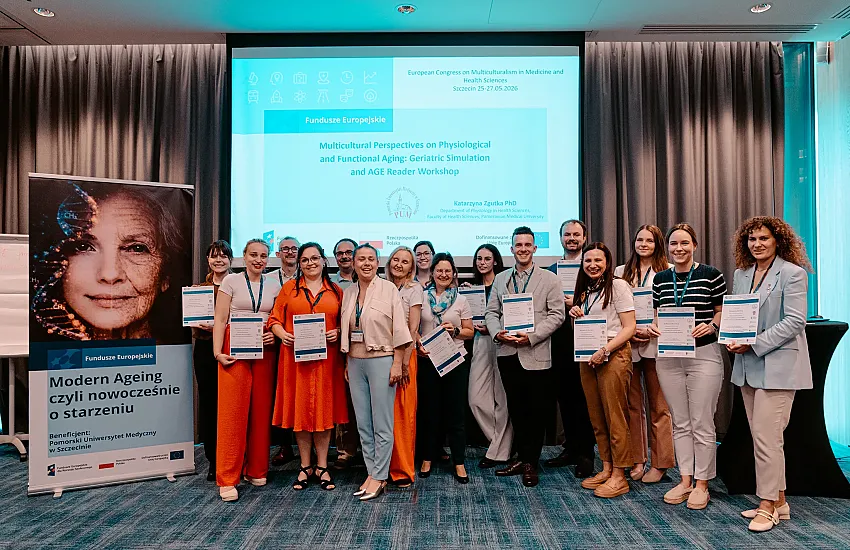
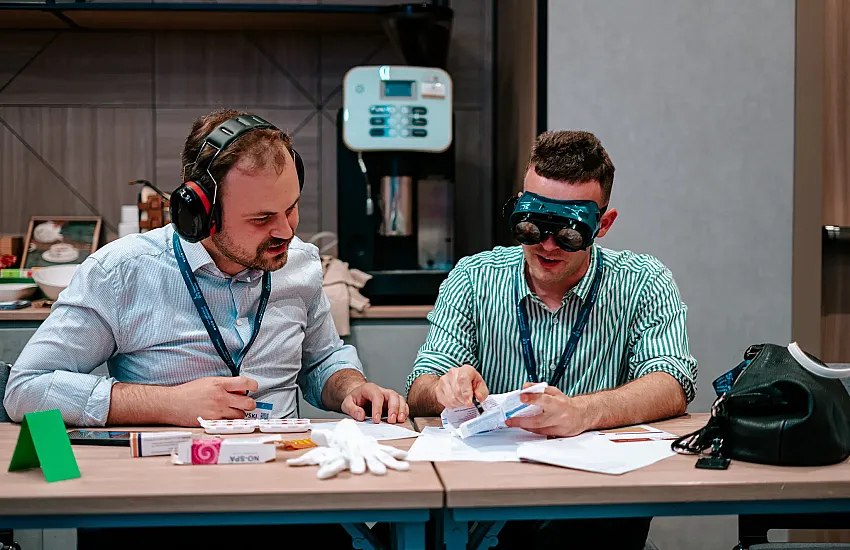
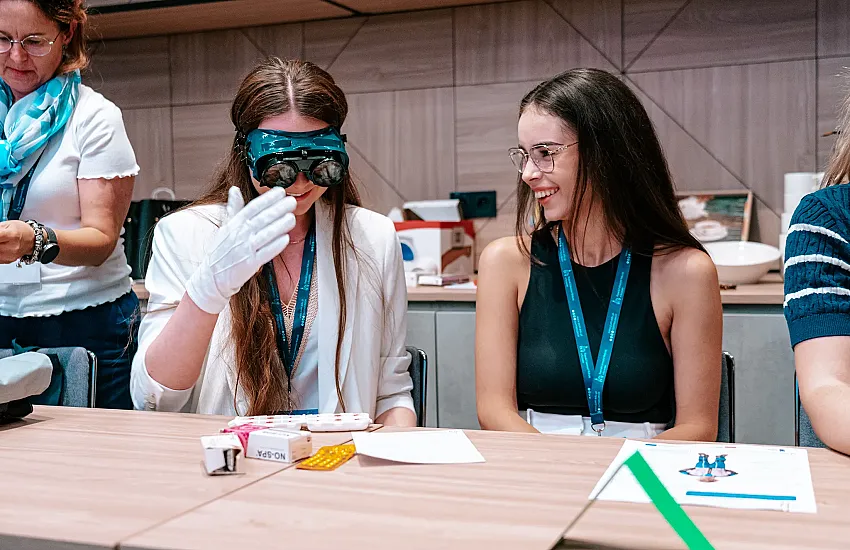
The second day of the Congress also included a workshop component. Participants had the opportunity to attend two practical workshops: “Balancing Values: Human Rights in Multicultural Nursing Practice,” led by Dr Elena Rousou and Paraskevi Charitou from the Cyprus University of Technology, and “Multicultural Perspectives on Physiological and Functional Aging: Geriatric Simulation and AGE Reader Workshop,” prepared by Dr Katarzyna Zgutka from the Pomeranian Medical University in Szczecin.
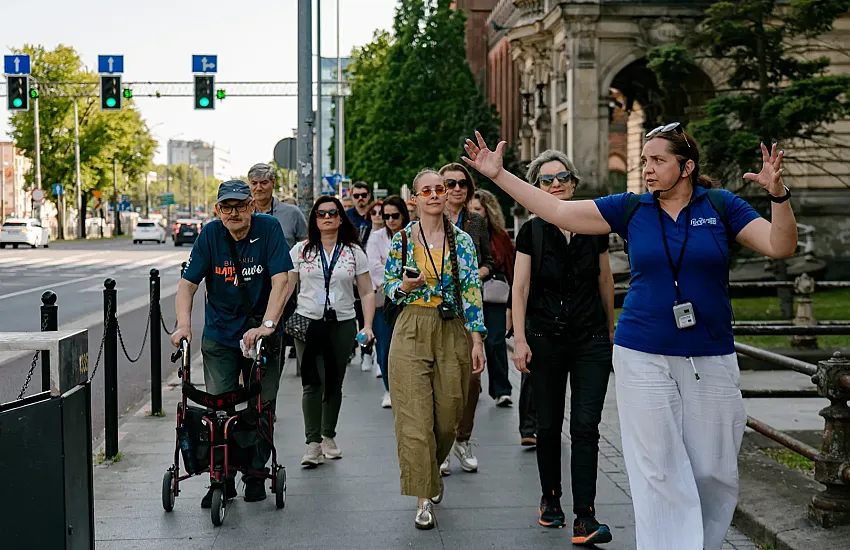
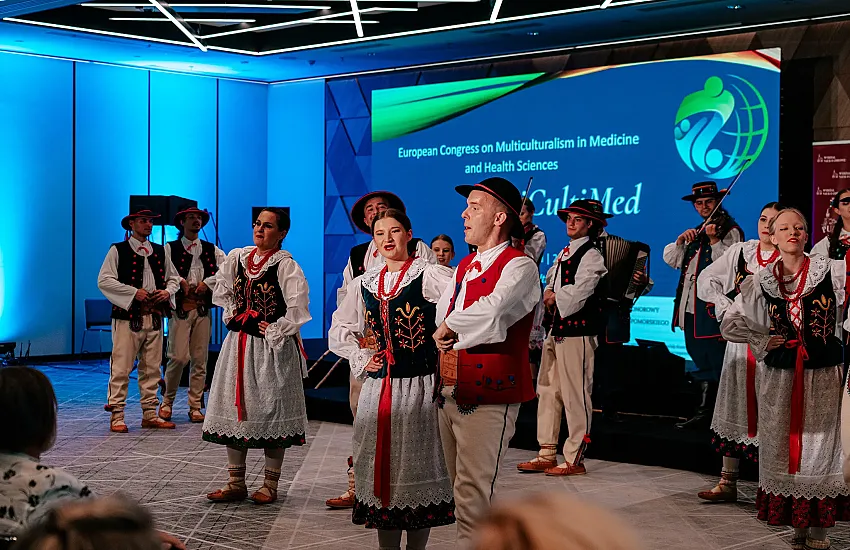
Informal meetings were also an important part of the Congress: conversations during breaks, guided tours of Szczecin, and the gala dinner. These moments often show best that international cooperation is not based solely on schedules, reports, and deliverables, but above all on people, trust, and a shared belief that the topic we are addressing truly matters.
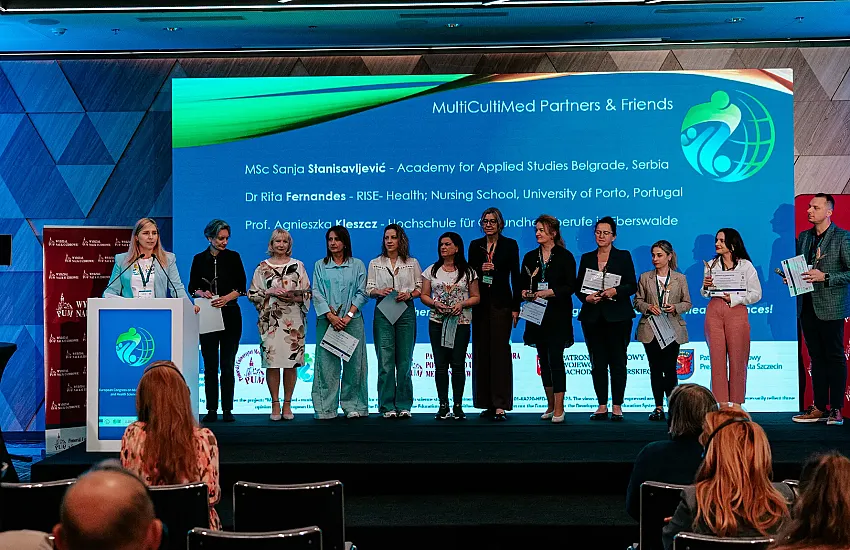
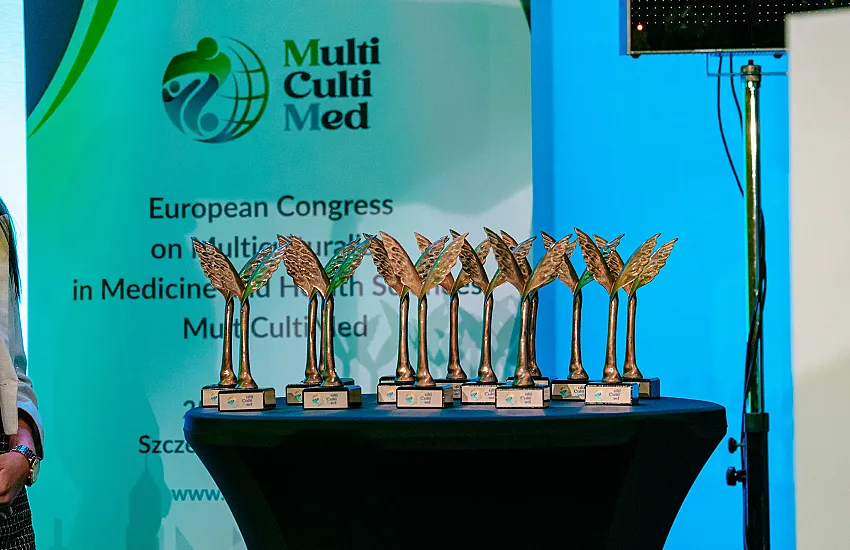
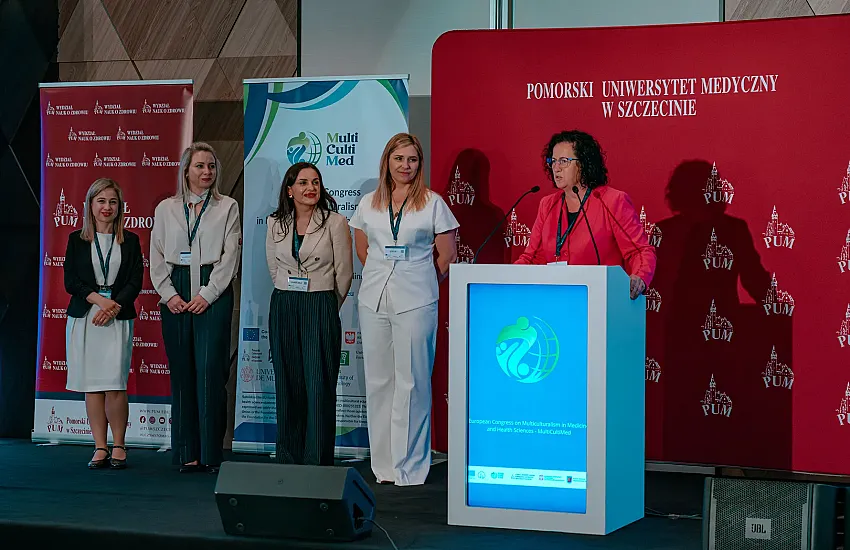
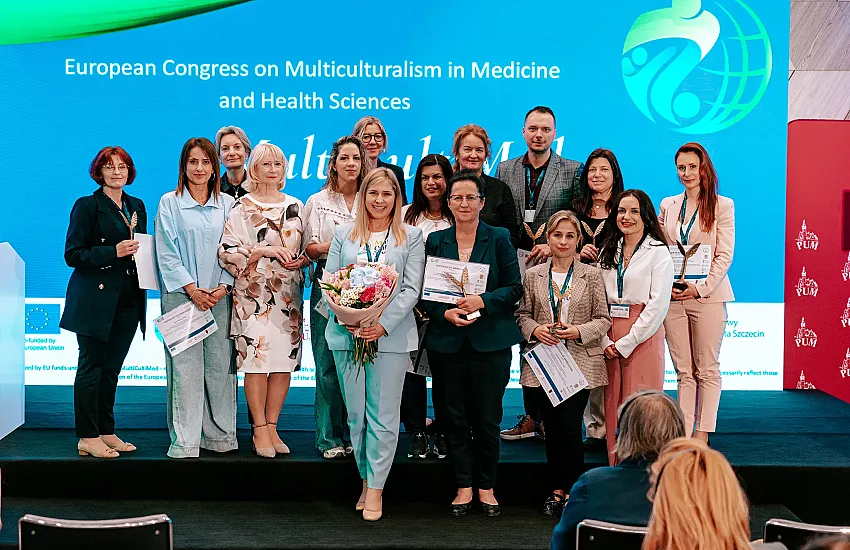
The Congress concluded with a summary of the sessions, the award ceremony for the winners of the Young Scientists Session, and words of appreciation addressed to our partners and consortium members from Spain, Slovenia, Cyprus, Germany, Ukraine, Portugal, and Serbia.
The European Congress on Multiculturalism in Medicine and Health Sciences showed that multiculturalism in medicine and health sciences is neither a marginal nor a distant issue. It is a real educational, clinical, and social challenge faced by contemporary healthcare systems. This is why it is so important to create spaces where these challenges can be discussed openly, interdisciplinary, and internationally.
We would like to thank all speakers, participants, young scientists, project partners, members of the Scientific and Organizing Committees, and everyone who contributed to the preparation and implementation of the Congress. These were three intense, demanding, but very important days — and yet another confirmation that the MultiCultiMed project responds to a genuine need in contemporary medical education.