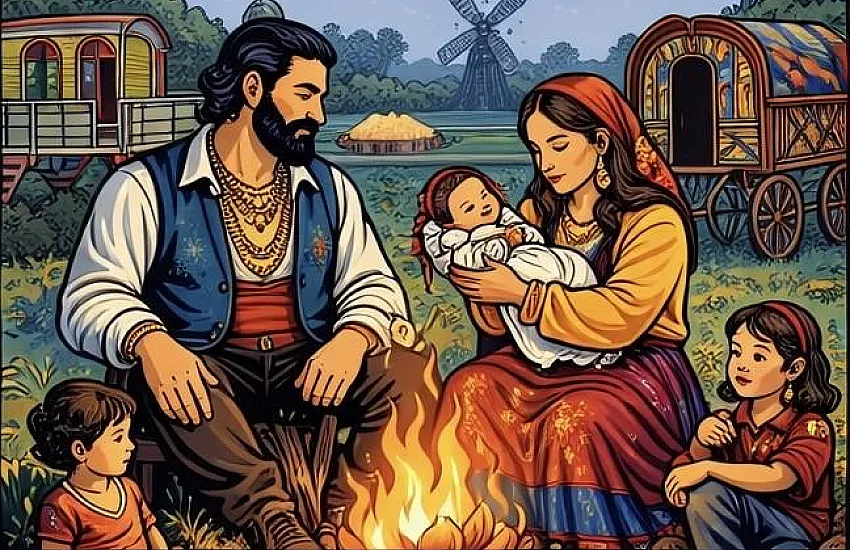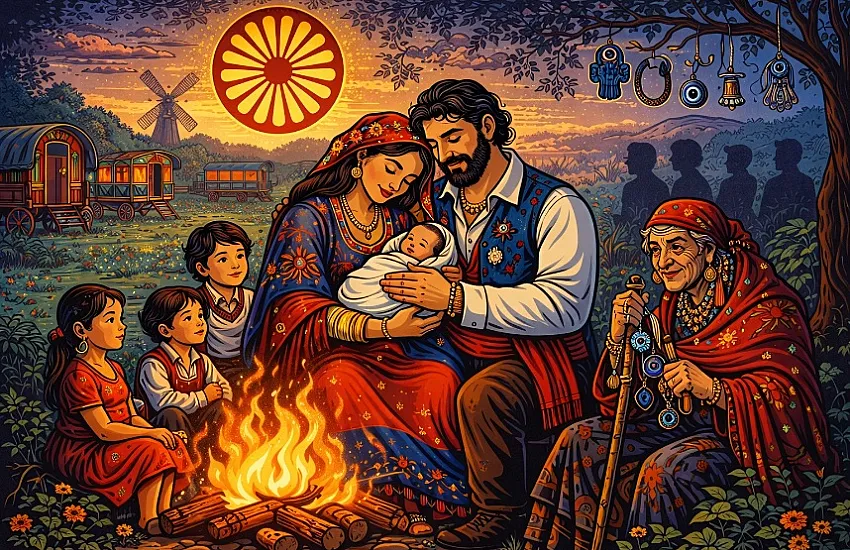
In today's post, I invite you to explore selected principles and customs within Romani communities. It's an attempt to understand the Roma world from a cultural and historical perspective—without judgment, but with an open heart.
The history of Roma in Europe has been marked for centuries by discrimination, violence, and social exclusion. The Commission for Security and Cooperation in Europe describes Roma as "the poorest, least healthy, least educated, and most discriminated minority in Europe." It is estimated that there are approximately 10–13 million Roma living worldwide today, but precise figures are difficult to establish. In many countries, the Roma minority is not included in demographic studies, and some conceal their origins for fear of stigmatization and unfair treatment. Lack of a single culture – a common identity
A difficult past and a difficult present have meant that Roma today do not function as a unified culture. Scattered across the globe, they differ in traditions, customs, and even religion. They often adapt the dominant faith in their country of residence, combining it with their own traditional beliefs.
Among the Roma, belief in:
• supernatural beings,
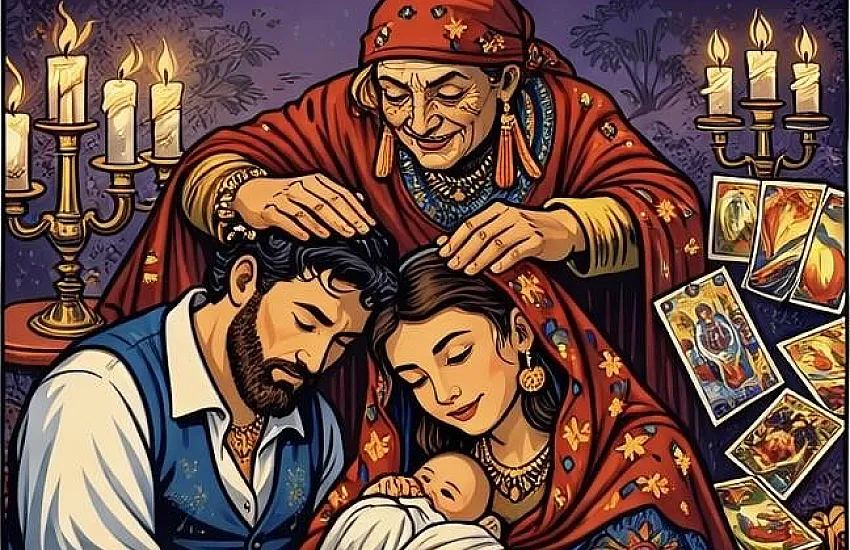
• the power of amulets and talismans,
• charms, curses, and protective rituals is common.
One of the most important elements of Roma identity is an unwritten code of laws and prohibitions, stemming from centuries-old tradition. Its shared observance builds strong bonds within groups and a sense of belonging.
Marime – a state of defilement
Failure to adhere to the code results in a state called marime, or ritual "impurity." Marime applies only to relationships within the Roma community – these rules do not have to be followed with regard to those outside the group.
Defilement occurs when behavior that violates norms is observed by another Roma, who has the right to declare marime. The consequences are serious:
• the defilement is socially isolated,
• any contact with them is considered "contaminating,"
• the defilement is obligated to inform other Roma of their condition.
Major defilement – bare mageripena
The most serious violations of norms are considered during court-like deliberations. During these deliberations, the parties present their arguments, and the community decides on the punishment, compensation, and duration of the defilement.
The most serious offenses include:
• Phukane romengre – reporting Roma to non-Roma institutions, including collaborating with the police,
• Ćorachance romengre – robbing or killing a member of one's own community.
In such cases, the consequence may be lifetime exclusion from the community. Major defilements also concern the sphere of female intimacy, including childbirth, postpartum period, menstruation, and unacceptable sexual behavior – however, these are temporary.
Minor defilements – tykne mageripena
Minor offenses result in temporary isolation. They may be imposed, among other things, for: for:
• marital infidelity,
• contact with a prostitute,
• breaking up the relationship of another Roma person,
• using a metal tool against a member of the community,
• behaviors deemed detrimental to the family's reputation (e.g., young women's clothing or makeup).
The division into "pure" and "impure" organizes social relations and strengthens group cohesion. Importantly, these principles vary depending on the specific Roma group.
"Impure" Professions
In the Roma value system, certain professions are considered impure because they involve contact with:
• the lower parts of the body,
• blood,
• corpses,
• soil or waste.
Such professions include, among others: doctors, nurses, midwives, butchers, grave diggers, garbage collectors, and cleaners. For this reason, Roma rarely practice these professions and approach their members with reserve. Healthcare is often considered a last resort – hospitalization is often perceived as a threat to the body and soul. Elders typically provide assistance for everyday ailments.
Women, Pregnancy, and Childbirth
In many Romani groups, a woman's lower body is considered unclean. For this reason:
• women wear long dresses,
• men (except for their husbands) should not touch their clothing,
• separate towels and hygiene items are used,
• washing hands after touching the lower body is essential.
Pregnancy and childbirth have special ritual significance. The act of giving birth itself is considered highly polluting, which is why Roma people avoid home births. Objects touched by a woman after giving birth are often destroyed, and she is isolated. Her closest relatives care for her and the child.
Newborns and Names
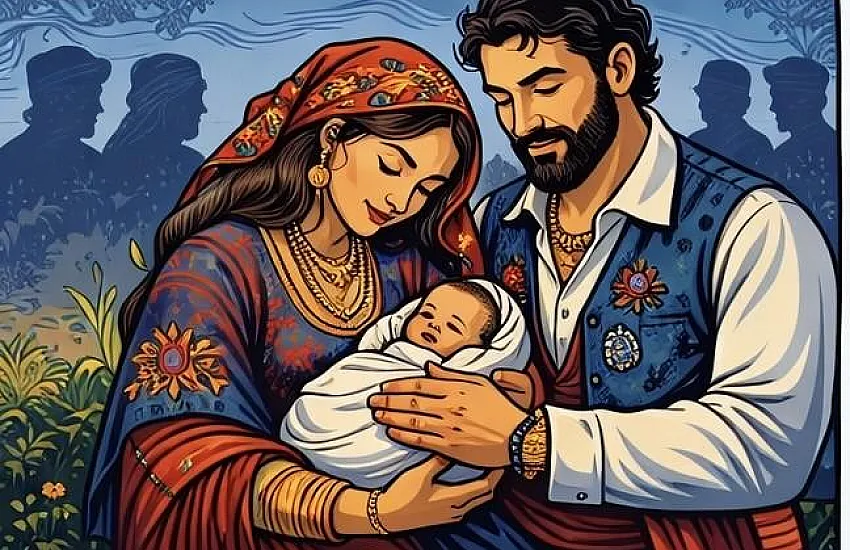
A newborn child – especially a boy – is a source of great joy, yet is also perceived as potentially polluting. For a period of time, she remains isolated with her mother, often until her baptism. Physical contact with her father and other men can be postponed for several months or longer.
The rules of life in Romani communities, although not always understandable to outsiders, play an important role in building bonds, a sense of security, and identity. It is worth remembering, however, that Romani culture is not uniform—the way in which traditions are observed varies.
The interpretation of the Roma culture varies depending on the group, environment, and individual choices.
Not every Roma person lives by the same principles, and not every practice described occurs in every community. Therefore, learning about Roma culture should be based on openness, attentiveness, and avoiding oversimplification. Only such an approach allows for a better understanding of the everyday experiences of Roma people and fosters mutual respect and dialogue.