Judaism is a religion in which daily life—from eating habits and health care to experiencing illness and death—is closely intertwined with spirituality. Caring for the body, relationships, and social life is not an adjunct to faith, but an integral part of it. Health, like life, is viewed as a gift from God, one that one has a duty to nurture.
Kosher – Eating as a Religious Act
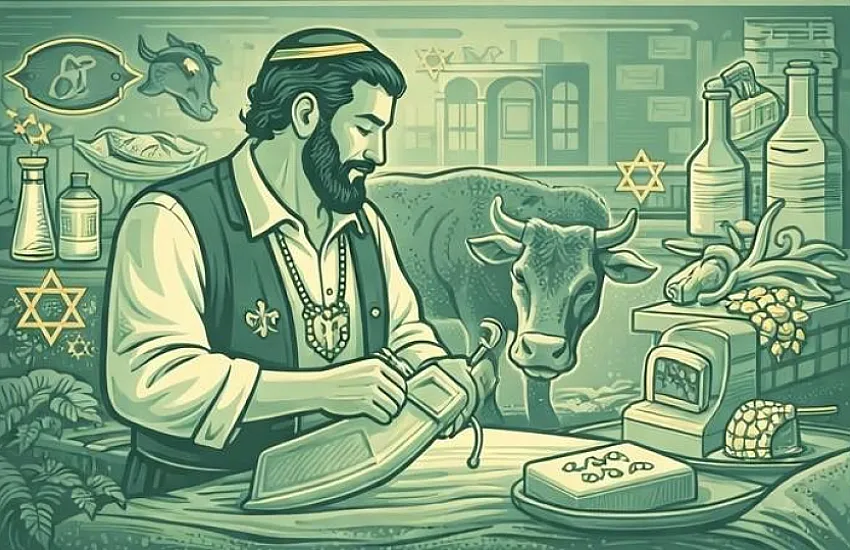
A large portion of Jewish law concerns the rules of food consumption. In Judaism, eating is not merely a biological necessity – it has a religious dimension. Every meal should begin and end with prayer, and the foods consumed must be kosher (Hebrew: kasher – “proper,” “suitable”).
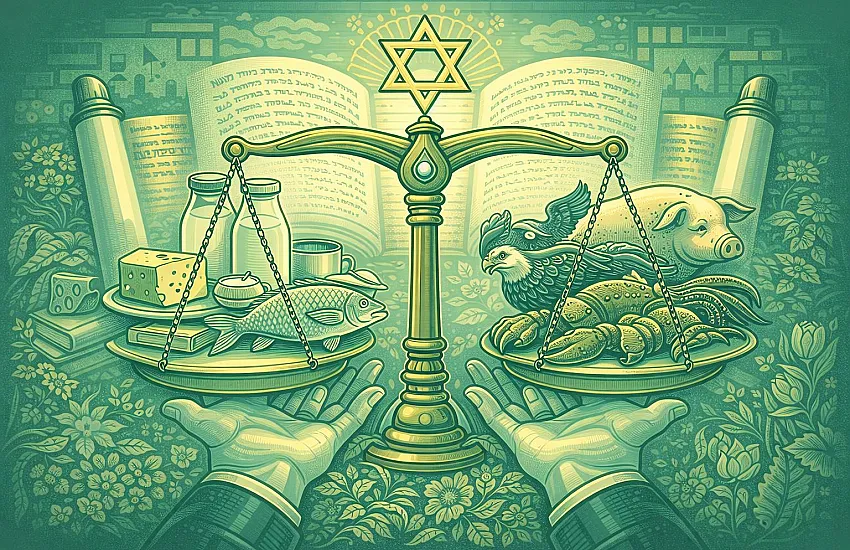
The rules of kosher are derived from the Torah and include dozens of detailed commandments and prohibitions. Their purpose is not only to maintain ritual purity but also to ensure health and hygiene. Foods considered “unclean” cannot be consumed or used in worship.
Forbidden foods include:
• meat from solipeds or non-ruminants (e.g., pigs),
• aquatic creatures without fins and scales (e.g., eels, sharks),
• mollusks and crustaceans,
• insects and worms,
• most birds of prey. There are also detailed regulations regarding:
• ritual slaughter of animals (shechita),
• inspection of meat, vegetables, and fruit,
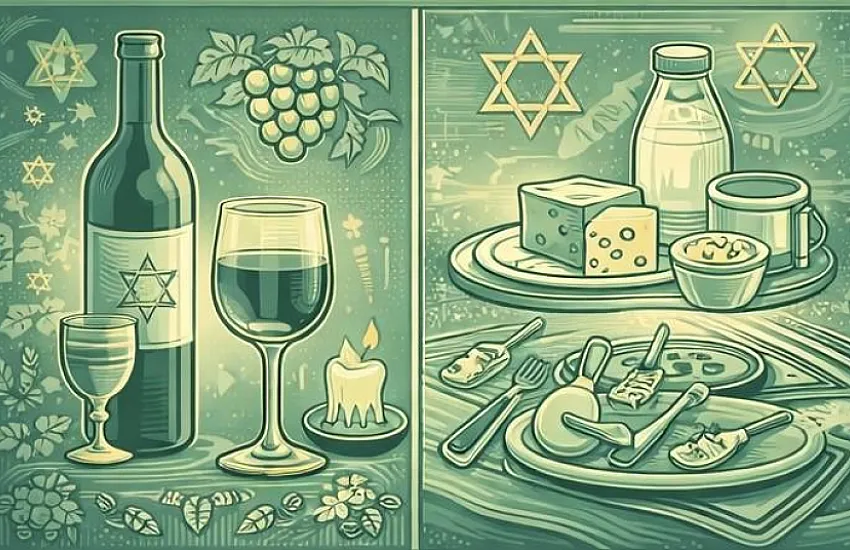
• prohibition of consuming milk and meat together (which results in the use of separate dishes and cutlery).
The rules of kosher are most rigorously observed by Orthodox Jews. Reform and Conservative Judaism approach them more flexibly, emphasizing that the essence of Judaism is ethics and moral responsibility, not just dietary principles.
Alcohol in Judaism – Moderation and Joy
Judaism does not prohibit the consumption of alcohol, but it places a strong emphasis on moderation. Wine appears in many religious rituals as a symbol of joy, blessing, and celebration. At the same time, excessive drinking and intoxication are condemned – a person should maintain control over themselves and their behavior.
Health and Medicine – The Sanctity of Life
In Judaism, human life is of the highest value. The Torah teaches that God established laws so that man "must live by them." This means that in a situation where health or life is at risk, all other religious commandments lose their significance.
Humans are viewed as a unity of body and soul, therefore, caring for one's physical and mental health is a religious obligation. In the event of illness, one must absolutely strive for recovery, even if this requires breaking the Sabbath or dietary laws.
In Judaism, a physician is considered an instrument of God—a partner in caring for human life. The body is treated as a sanctuary, and medicine is a form of service to God and humanity.
Social Responsibility and Care for the Sick
One of the key principles of Judaism is tzedakah, or the obligation to do good and help others. This is manifested in:
• caring for the sick,
• supporting the poor,
• accompanying the dying,
• comforting the bereaved.
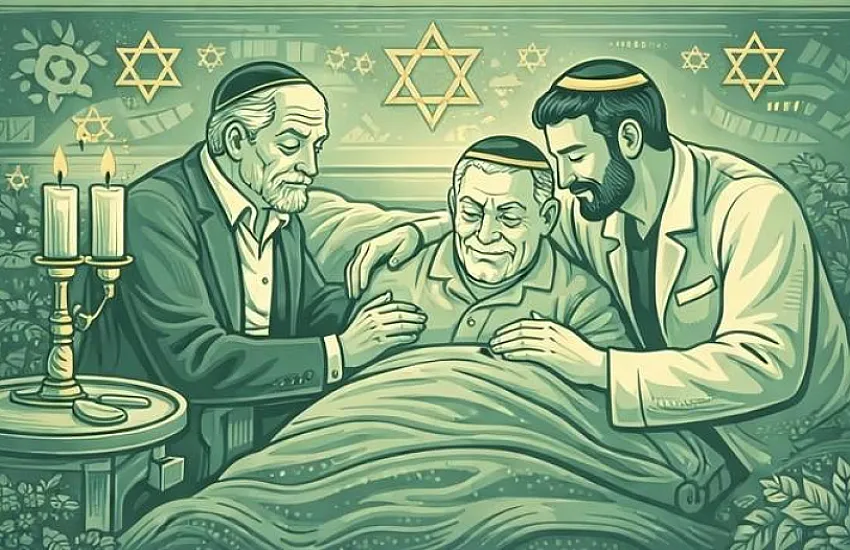
In Jewish communities, there are special associations dedicated to caring for the sick and dying. Visiting a sick person is considered an act of love and compassion – one should bring not only material aid but also kind words, prayers, and hope.
Death and Mourning – A Natural Part of Life
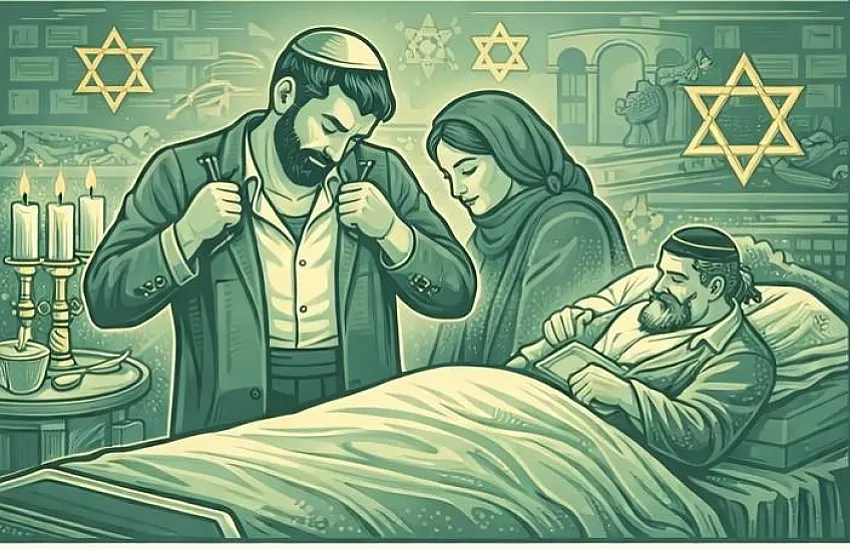
Judaism views death as a natural stage of life and part of God's plan. It is not treated as a tragedy in itself, but as a transition to another dimension of existence. The soul is considered immortal and after death stands before a tribunal where human actions are judged.
Mourning practices aim to:
• show respect for the deceased,
• support loved ones,
• enable a full experience of grief and a gradual return to normalcy.
Mourning does not isolate a person from the community – on the contrary, it emphasizes the importance of relationships and mutual presence in difficult times.
Judaism presents health, illness, and death as elements of a single, coherent vision of life. Caring for the body, responsibility for others, and respect for life are not only moral values but also religious imperatives. Thanks to this, Judaism creates a system in which spirituality permeates everyday life, and man is never alone – neither in health, nor in sickness, nor in the face of death.